

Gaelic Athletic Association (GAA) sports demand an exceptional combination of speed, strength, endurance, and tactical awareness. Whether you’re playing Gaelic football, hurling or competing in camogie, the physical and mental demands placed upon athletes are considerable. Training sessions are intense, matches are gruelling, and recovery time is often limited, particularly during the height of the championship season. To perform at your peak and maintain consistency throughout a long season, proper nutrition and strategic supplementation become essential components of any serious GAA athlete’s training regime.
MyCore Supplements understands the unique demands faced by GAA athletes. The intermittent nature of these sports combining repeated high-intensity sprints, physical contact, quick direction changes, and sustained periods of moderate activity requires a carefully considered approach to supplementation. The right supplements can enhance training adaptations, accelerate recovery, improve match-day performance, and reduce injury risk. However, with countless products flooding the market, identifying which supplements genuinely deliver results can be challenging.
This comprehensive guide examines the most effective supplements for GAA athletes, backed by scientific research and practical application. From fundamental nutrition to performance-enhancing compounds, we’ll explore how each supplement works, when to take it, and why it deserves a place in your sports nutrition strategy.
Whey Protein
Whey protein stands as the cornerstone supplement for any GAA athlete serious about optimising their performance and physique. This fast-absorbing, complete protein source provides all essential amino acids required for muscle protein synthesis, making it invaluable for recovery, adaptation, and maintaining lean muscle mass throughout the demanding GAA season.
GAA athletes engage in significant volumes of training that create substantial muscle damage and protein breakdown. The collision elements of the sport, combined with repeated sprints and changes of direction, place enormous stress on muscle fibres. Consuming adequate protein—typically 1.6 to 2.2 grams per kilogram of body weight daily—becomes crucial for repair and adaptation. Whey protein offers an extremely convenient and cost-effective method of meeting these elevated requirements, particularly around training sessions when whole food consumption may be impractical.
The rapid digestion and absorption characteristics of whey protein make it particularly valuable in the post-training window. Whilst the concept of an “anabolic window” has been somewhat overstated in popular fitness culture, consuming protein relatively soon after training does support optimal recovery, especially when sessions are separated by limited time periods—a common scenario for GAA players balancing club and county commitments.
MyCore Supplements recommends consuming 20-40 grams of whey protein within a few hours of training sessions. This dosage provides sufficient leucine—the primary amino acid trigger for muscle protein synthesis—to maximally stimulate recovery processes. For athletes training multiple times daily or those struggling to achieve protein targets through whole foods alone, additional servings throughout the day help maintain a positive protein balance.
Beyond post-training use, whey protein serves excellently as a convenient breakfast option when time is limited, a nutritious snack between meals, or a final protein source before bed to support overnight recovery. The versatility, palatability, and proven efficacy of whey protein make it the foundation upon which other supplements build.
Creatine
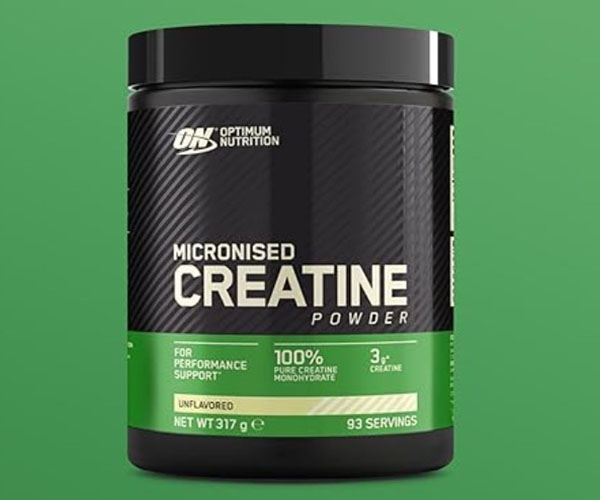
Creatine monohydrate ranks among the most extensively researched and consistently effective supplements available to athletes. For GAA sports, where explosive power, repeated sprint ability, and rapid recovery between high-intensity efforts determine success, creatine supplementation offers substantial performance benefits.
Creatine works by increasing phosphocreatine stores within muscle cells. Phosphocreatine serves as a rapid energy reservoir for the ATP-PCr energy system, which fuels explosive movements lasting up to approximately ten seconds. In GAA contexts, this translates to more powerful accelerations, higher sprint speeds, more explosive jumps for high catches, and harder strikes of the ball. Additionally, enhanced phosphocreatine availability accelerates recovery between repeated high-intensity efforts—a crucial advantage during match play where sprint demands occur frequently throughout the contest.
The evidence supporting creatine’s effectiveness is overwhelming. Hundreds of studies demonstrate improvements in power output, sprint performance, training volume capacity, and lean muscle mass gains. Importantly, these benefits occur without significant side effects when the supplement is used appropriately, making creatine one of the safest and most cost-effective performance enhancers available.
MyCore Supplements recommends a straightforward creatine protocol: consume 3-5 grams of creatine monohydrate daily, preferably with a meal containing carbohydrates to enhance absorption. Loading phases—where athletes consume 20 grams daily for 5-7 days—can saturate muscle creatine stores more rapidly, though they’re not essential. The daily maintenance dose achieves the same saturation within 3-4 weeks, with identical long-term benefits.
A common concern surrounding creatine involves water retention and weight gain. Whilst creatine does increase intracellular water content, this actually contributes to the performance-enhancing effects and doesn’t produce the bloated appearance some athletes fear. Any weight gain typically amounts to 1-2 kilograms and represents increased muscle cell volume rather than fat accumulation. For the vast majority of GAA athletes, this modest increase is vastly outweighed by the performance advantages.
Caffeine
Caffeine represents the world’s most widely consumed performance-enhancing substance, and for good reason. This central nervous system stimulant offers GAA athletes improved alertness, enhanced focus, reduced perception of effort, and measurably improved physical performance across numerous parameters relevant to Gaelic games.
The mechanisms through which caffeine enhances performance are multiple and complex. Primarily, caffeine blocks adenosine receptors in the brain, reducing feelings of fatigue and drowsiness. This increases catecholamine release—including adrenaline—which heightens arousal and readiness for intense physical activity. Additionally, caffeine may improve muscle contractility, enhance fat oxidation during exercise, and reduce the perception of pain and exertion, allowing athletes to maintain higher intensities for longer periods.
Research consistently demonstrates that caffeine improves performance in activities closely matching GAA demands. Studies show enhanced sprint performance, improved repeated sprint ability, increased power output, better endurance capacity, and superior cognitive function—including decision-making speed and accuracy under pressure. These benefits make caffeine particularly valuable for match-day performance, where mental sharpness and physical capability must remain high throughout the entire contest.
MyCore Supplements recommends consuming 3-6 milligrams of caffeine per kilogram of body weight approximately 45-60 minutes before matches or high-intensity training sessions. For a 75-kilogram athlete, this equates to roughly 225-450 milligrams—the amount found in 2-4 cups of strong coffee or one caffeine supplement tablet. Timing is important, as caffeine reaches peak blood concentration approximately one hour after consumption.
However, caffeine use requires strategic consideration. Regular daily consumption builds tolerance, reducing the performance-enhancing effects over time. Athletes should consider limiting caffeine intake to training sessions and matches where maximum performance is required, rather than consuming it habitually throughout the day. Additionally, individual responses to caffeine vary considerably; some athletes experience anxiety, gastrointestinal distress, or sleep disruption. Experimentation during training—never for the first time on match day—helps identify optimal dosing and timing.
Electrolytes
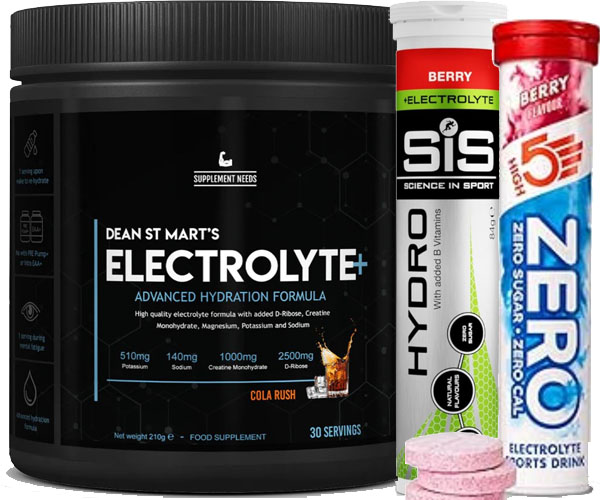
Electrolyte supplementation often receives insufficient attention from GAA athletes, yet these minerals play absolutely critical roles in hydration status, muscle function, and performance maintenance during training and competition. Sodium, potassium, magnesium, and calcium are lost through sweat during exercise, and inadequate replacement can significantly impair performance and increase cramping risk.
GAA training and matches frequently occur during warmer months or in heated indoor facilities, creating substantial sweat losses. Even in cooler conditions, the intense, intermittent nature of these sports generates significant heat production and fluid losses. When athletes replace these losses with plain water alone, they risk diluting blood electrolyte concentrations, potentially leading to hyponatraemia in extreme cases, but more commonly resulting in suboptimal rehydration and maintained performance.
Sodium represents the primary electrolyte lost in sweat and the most important to replace. Adequate sodium intake stimulates thirst, promotes fluid retention, and maintains plasma volume—all crucial for cardiovascular function and temperature regulation during exercise. Potassium and magnesium support proper muscle contraction and relaxation, whilst calcium plays roles in both muscle function and bone health.
MyCore Supplements recommends that GAA athletes consume electrolyte-containing beverages during training sessions or matches lasting longer than 60 minutes, particularly in warm conditions. An effective sports drink should contain approximately 300-700 milligrams of sodium per litre, along with appropriate amounts of potassium and other electrolytes. For athletes who are particularly heavy sweaters or who notice salt residue on their skin or clothing after training, higher sodium concentrations may be beneficial.
Beyond session consumption, athletes should ensure adequate electrolyte intake throughout the day, particularly during intensive training periods. This doesn’t necessarily require specialised supplements—consuming a varied diet rich in fruits, vegetables, and appropriate amounts of salt typically provides sufficient electrolytes. However, during high-volume training blocks or in hot conditions, dedicated electrolyte supplementation offers a convenient insurance policy against deficiency.
Energy Gels and Carb Powders
Carbohydrates represent the primary fuel source for the high-intensity efforts characteristic of GAA sports. Whilst athletes should obtain the majority of their carbohydrate intake from whole foods, energy gels and carbohydrate powders offer strategic advantages in specific scenarios where rapid fuel delivery or convenience is paramount.
Muscle glycogen—the stored form of carbohydrate—becomes progressively depleted during training and matches. When stores run low, high-intensity performance capacity declines markedly. Additionally, liver glycogen depletion can impair cognitive function and decision-making ability. For GAA athletes, maintaining carbohydrate availability throughout training and competition directly influences sprint capacity, power output, skill execution, and tactical awareness.
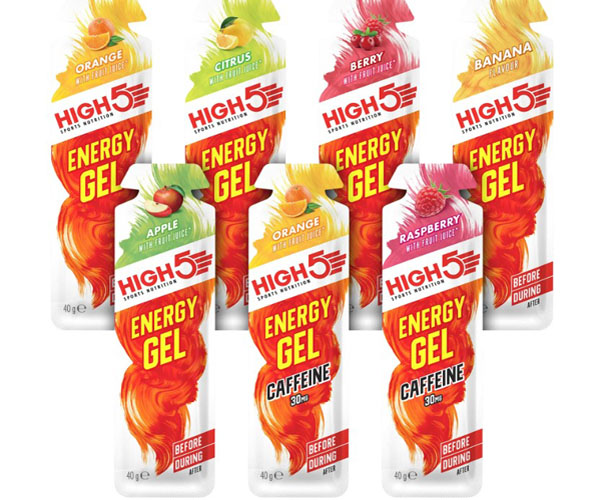
Energy gels provide a concentrated, rapidly absorbed carbohydrate source that’s easy to consume during activity. Each gel typically contains 20-30 grams of carbohydrates in a small, portable package. They’re particularly valuable during prolonged training sessions, tournament scenarios involving multiple matches, or for athletes who struggle to consume adequate carbohydrates around training.
Carbohydrate powders offer versatility for multiple applications. Mixed with water, they create an effective intra-training fuel source. Combined with protein powder, they provide an optimal post-training recovery drink that replenishes glycogen whilst supporting muscle protein synthesis. Many athletes also find carbohydrate powders useful for “carb loading” before important matches, as they provide substantial carbohydrate intake without the bulk and digestive demands of equivalent whole food portions.
MyCore Supplements recommends that GAA athletes target 30-60 grams of carbohydrate per hour during prolonged training sessions or matches. This might come from sports drinks, energy gels, or easily digestible whole foods, depending on personal preference and tolerance. Post-training, consuming 1-1.2 grams of carbohydrate per kilogram of body weight within the first few hours accelerates glycogen replenishment—particularly important when recovery time between sessions is limited.
Individual tolerance varies significantly, and gastrointestinal distress from consuming carbohydrates during exercise is common when athletes haven’t trained their gut. Start with smaller amounts and gradually increase consumption during training to develop tolerance before implementing the strategy on match day.
Joint Support Supplements
The physical demands and collision elements inherent in GAA sports place considerable stress on joints, connective tissues, and the musculoskeletal system generally. Over time, this accumulating stress can lead to joint discomfort, increased injury risk, and compromised training quality. Joint support supplements aim to maintain connective tissue health, reduce inflammation, and support recovery from the mechanical stresses of training and competition.
Glucosamine and chondroitin represent the most commonly used joint support compounds. These substances are natural components of cartilage and may help maintain cartilage integrity, though research evidence presents mixed results. Some studies demonstrate modest benefits for joint pain and function, whilst others show no significant advantages over placebo. Individual responses appear highly variable.
Omega-3 fatty acids—particularly EPA and DHA from fish oil—offer more consistent evidence for joint health benefits. These essential fats possess anti-inflammatory properties that may reduce exercise-induced joint inflammation and support recovery. Beyond joint health, omega-3s contribute to cardiovascular health, brain function, and may enhance muscle protein synthesis—making them valuable for GAA athletes on multiple fronts.
Collagen supplementation has gained popularity recently, with emerging research suggesting that consuming collagen protein alongside vitamin C before training may support connective tissue adaptation and repair. Whilst the evidence base remains developing, initial studies show promise for reducing joint pain and supporting tendon and ligament health.
MyCore Supplements recommends that GAA athletes, particularly those with joint concerns or extensive training histories, consider incorporating 2-3 grams of EPA and DHA daily from fish oil supplements. Athletes experiencing specific joint issues might experiment with glucosamine/chondroitin supplementation (typically 1500mg/1200mg daily) or collagen peptides (10-15 grams daily with vitamin C before training) to determine whether these provide individual benefits.
Importantly, joint support supplements work preventatively and require consistent, long-term use—typically several weeks to months—before benefits become apparent. They’re not acute pain relievers but rather strategies for maintaining joint health throughout a demanding career.
Beta Alanine
Beta Alanine represents a somewhat specialist supplement that offers specific benefits for the high-intensity, repeated effort demands characteristic of GAA sports. This non-essential amino acid increases muscle carnosine concentrations, which in turn enhances the muscle’s buffering capacity against the hydrogen ions that accumulate during intense exercise and contribute to muscular fatigue.
When athletes perform high-intensity exercise, particularly efforts lasting between 60 seconds and 4 minutes, the anaerobic glycolysis energy system becomes heavily relied upon. This metabolic pathway produces lactate and hydrogen ions, which decrease muscle pH and interfere with muscle contraction—the “burning” sensation experienced during intense efforts. Carnosine acts as an intramuscular buffer against these hydrogen ions, delaying the onset of muscular fatigue.
For GAA athletes, beta alanine supplementation may enhance performance during repeated high-intensity efforts, improve training capacity, and delay fatigue during matches. Research demonstrates that beta alanine improves performance in exercise bouts lasting 60-240 seconds and enhances repeated sprint ability—both highly relevant to Gaelic games. Additionally, increased buffering capacity may allow athletes to maintain higher training intensities, potentially enhancing long-term adaptations.
MyCore Supplements recommends consuming 3-6 grams of beta alanine daily, divided into smaller doses (1.5-2 grams) taken throughout the day with meals. This dosing strategy maximises absorption whilst minimising the harmless but uncomfortable tingling sensation (paraesthesia) that many users experience with larger single doses. Benefits become apparent after 2-4 weeks of consistent supplementation as muscle carnosine concentrations gradually increase, reaching peak levels after approximately 12 weeks.
Beta alanine supplementation should be viewed as a training aid rather than an acute match-day supplement. The elevated muscle carnosine concentrations persist for several weeks even after supplementation ceases, providing sustained benefits throughout a competitive season. Athletes should begin supplementation during pre-season or training blocks to ensure elevated carnosine levels during competition phases.
Conclusion
Strategic supplementation provides GAA athletes with valuable tools to enhance performance, accelerate recovery, and maintain optimal health throughout demanding training and competition schedules. However, supplements should always complement—never replace—a foundation of appropriate training, adequate sleep, and proper nutrition built upon whole foods.
The supplements recommended by MyCore Supplements—whey protein, creatine, caffeine, electrolytes, energy gels and carb powders, joint support supplements, and beta alanine—each offer evidence-based benefits for the specific demands of GAA sports. Whey Protein and Creatine form the foundational supplements that nearly all athletes will benefit from, whilst caffeine and electrolytes provide essential support for training and match-day performance. Energy gels and carbohydrate powders offer strategic fuelling options for specific scenarios, joint support supplements provide long-term health benefits, and beta alanine presents a more specialist option for athletes seeking every possible advantage.
Individual responses to supplements vary, and experimentation during training periods—under guidance from qualified sports nutrition professionals where possible—helps identify which supplements provide the greatest personal benefits. Quality matters significantly; choosing reputable brands that undergo third-party testing ensures products contain what labels claim and are free from prohibited substances that could result in anti-doping violations.
Ultimately, the most sophisticated supplementation strategy cannot compensate for inadequate training, poor sleep, or suboptimal nutrition. View supplements as the final 5-10% of performance optimisation—important for competitive athletes where marginal gains matter, but only after the fundamental 90% is properly addressed. With this perspective, strategic supplementation becomes a valuable component of a comprehensive approach to GAA athletic development and performance.